Optika · Muhandislik
X1 waveguide’i ichida: 25° displey
Focuz X1 o‘ng ko‘zingizga 0,7 mm qalinlikdagi shisha orqali tiniq yashil qatlamni suzdiradi — proyektor qutisi yo‘q, kamera yo‘q. Diffraksion waveguide aslida qanday ishlashi va bizning tanlovimiz ortidagi muhandislik haqida.
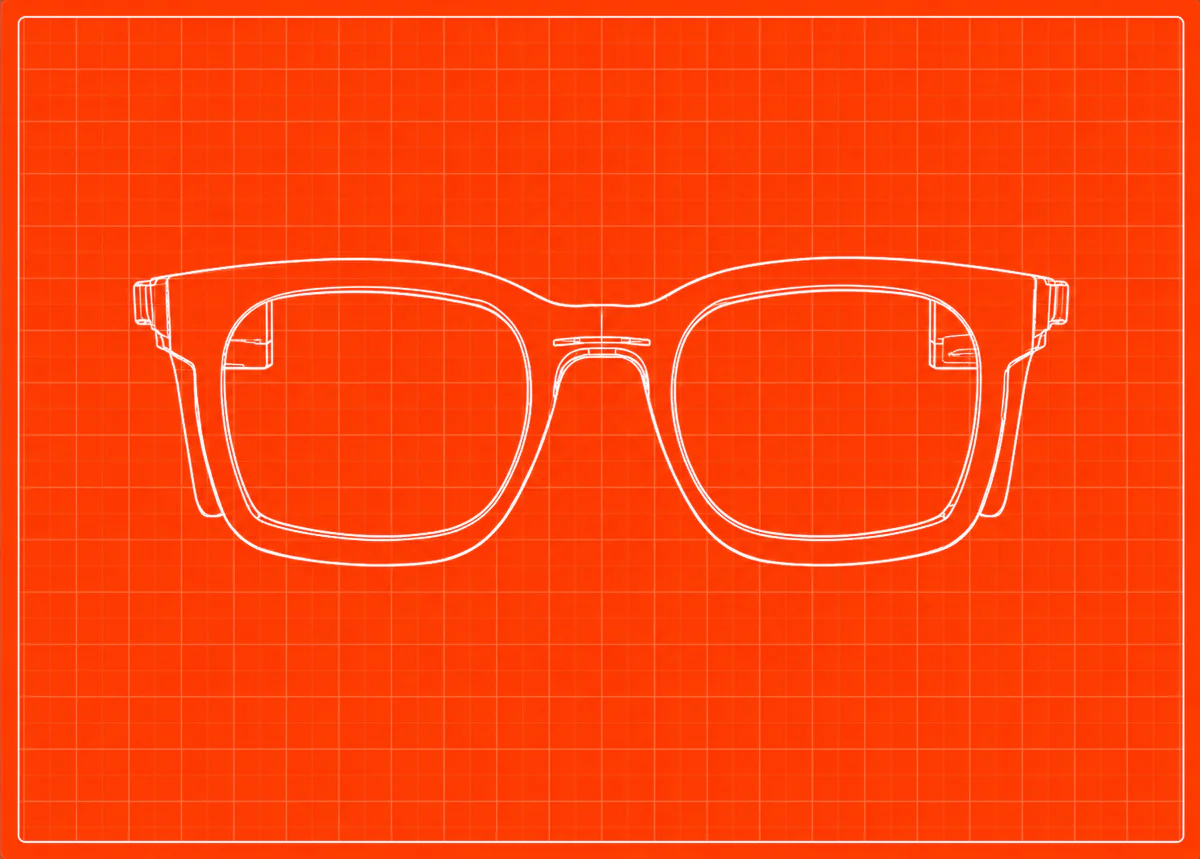
Oddiy ko‘rinishdagi ko‘zoynak qanday qilib havoda matn chiza olishini so‘rasangiz, ko‘p tushuntirishlar “waveguide” so‘zida to‘xtaydi. Bu so‘z juda katta ishni bajaryapti. Mana to‘liq versiyasi: X1 displeyi nima ekani, 0,7 millimetrlik shisha bo‘lagi qanday qilib ekran kabi ishlashiga imkon beradigan fizika va nega biz aynan shu tanlovlarni qilganimiz — yashil, monoxrom, 25 daraja, bitta ko‘z.
- Displey
- O‘ng ko‘z diffraksion waveguide
- Rang
- Monoxrom yashil
- Waveguide
- 0,7 mm · 90% dan ortiq tiniq
- Ko‘rish maydoni
- 25°
- Yorug‘lik manbai
- mikro-LED
- Retsept
- O‘rnatiladigan linzalar
01Muammo: ekransiz ekran
Monitorni kimningdir ko‘zidan bir necha santimetr narida ushlab turolmaysiz. Bunday masofada ko‘z fokuslana olmaydi, qattiq panel esa siz bog‘lanib turmoqchi bo‘lgan dunyoni to‘sib qo‘yadi. Ko‘zga yaqin displey bir vaqtning o‘zida ikkita qarama-qarshi ishni bajarishi kerak: qorachig‘ingizga tiniq, fokuslangan tasvir yetkazishi va reallik to‘g‘ridan-to‘g‘ri o‘tib ketishi uchun deyarli mukammal shaffof qolishi.
Diffraksion waveguide — optika sohasi topgan eng nafis javob. Bu HoloLens va Magic Leap kabi qurilmalar ortidagi texnologiyaning xuddi shu sinfi — to‘liq immersiya emas, bir qarashlik qatlam uchun kichraytirilgan, soddalashtirilgan va sozlangan.
02Diffraksion waveguide qanday ishlaydi
Kichik yorug‘lik manbaidan boshlaymiz. Bir necha millimetrli mikro-LED mikrodispley tasvirni hosil qiladi va uni parallel nurlar dastasiga jamlaydi. Bu dasta linzaga o‘yilgan ikkita mikroskopik tuzilmadan birinchisiga uriladi — kirish panjarasi (grating).
Panjara kelayotgan yorug‘likni difraksiyalaydi, uni tik burchakka — shishaning kritik burchagi ortiga buradi. Bu burchakdan keyin yorug‘lik endi sirtdan chiqib keta olmaydi; u to‘liq ichki qaytish (TIR) tufayli qamalib qoladi va linza ichida xuddi optik tolali kabel bo‘ylab signal o‘tgani kabi zigzag bo‘lib yuradi. Shisha tasvir uchun quvurga aylanadi.
Qorachig‘ingiz oldida ikkinchi tuzilma — chiqish panjarasi turadi. U teskari ishni qiladi: yo‘naltirilgan yorug‘lik unga har urilganda bir qismi linzadan ko‘zingiz tomon qaytib difraksiyalanadi. Ko‘zingiz cheksizlikka fokuslangan tasvirni qabul qiladi — u ancha oldinda suzib turgandek ko‘rinadi va ko‘z zo‘riqmaydi — qolgan dunyo esa atrofdagi tegilmagan shisha orqali to‘g‘ri o‘tib ketadi.
03Nega u 0,7 mm yupqa va 90% dan ortiq tiniq bo‘la oladi
Tasvir to‘liq ichki qaytish orqali shishaning ichida yurgani uchun, butun optik yo‘l bir millimetrdan yupqa plastinkaga jamlanadi — X1’da 0,7 mm. Panjaralarning o‘zi yorug‘lik to‘lqin uzunligidan ham mayda sirt tuzilmalari: yalang‘och ko‘zga ko‘rinmaydi va linzani real dunyo yorug‘ligining 90% dan ortig‘ini o‘tkazadigan oddiy tiniq linzadek qoldiradi.
Aynan shu shaffoflik — butun maqsad. X1 siz ichiga qaraydigan vizir emas; u siz allaqachon ko‘rayotgan narsa ustida turadigan qatlam.
04Nega yashil va nega monoxrom
Uch sabab, va ular bir-birini kuchaytiradi.
- Ko‘zingiz yashilga moslangan. Inson ko‘rishi sezgirligi taxminan 555 nm — yashil — atrofida cho‘qqiga chiqadi, shuning uchun yashil tasvir bir xil quvvatda sizga har qanday boshqa rangdan yorqinroq ko‘rinadi.
- Yashil mikro-LEDlar — eng samaralisi. Ular har vattga ko‘proq yorug‘lik beradi: batareyani tejagan holda ochiq havoda o‘qsa bo‘ladigan yorqinroq qatlam — kaftingizda yo‘qolib ketadigan chipdan mingga yaqin nit.
- Bitta rang kamalakdan qochadi. Difraksiya turli to‘lqin uzunliklarini turlicha buradi, shuning uchun to‘liq rangli waveguide’lar doimiy xromatik dispersiya bilan kurashadi — quvvat va tiniqlikni yeydigan xira kamalak hoshiyalari va bir xillik muammolari. Yagona, tiniq yashil kanal bundan butunlay chetlab o‘tadi.
Subtitr, yo‘nalish va eslatmalarni ko‘rsatadigan qatlam uchun tiniq monoxrom yashil — cheklov emas, balki yorqin qoladigan, tiniq qoladigan va kun bo‘yi yetadigan kombinatsiya.
05Nega 25 daraja to‘g‘ri ko‘rish maydoni
Waveguide’ning ko‘rish maydoni siz xohlagancha ko‘taradigan reklama tugmasi emas. U fizika bilan mahkamlangan: shisha qanchalik keng tasvirni olib yura olishi uning sindirish ko‘rsatkichiga (refractive index) bog‘liq, chunki aynan u to‘liq ichki qaytish uchun kritik burchakni belgilaydi. Keskin kengroq maydonga intilish g‘ayrioddiy, o‘ta yuqori ko‘rsatkichli shishani talab qiladi — va ikkinchi devorga uriladi: etendue saqlanishi. Soddaroq aytganda: keng tasvir, yoki katta qulay ko‘z maydoni (eye-box), yoki yorqin tasvir bo‘lishi mumkin, lekin birini cho‘zsangiz qolganlari yon beradi. Ko‘z maydonini kattalashtiring — o‘sha yorug‘lik yupqaroq yoyiladi va tasvir xiralashadi.
Ko‘z maydonini umuman ishlatsa bo‘ladigan qilish uchun chiqish panjarasi chiqish qorachig‘ini kengaytirishni (exit-pupil expansion) bajaradi — tasvirni chiqish nuqtalari to‘ri bo‘ylab ko‘paytiradi, shunda ko‘zoynak burningizda bir millimetr siljishi bilanoq tasvir yo‘qolmaydi. Aynan shu ko‘paytirish displeyni taqishga bardoshli qiladi; u yorug‘likni ham sarflaydi — samarali yashil manba nega muhimligi shundan.
“25° — bizning joyimiz tugagan yer emas. Bu bir qarashlik oltin nuqta — yuzga bog‘langan kinoteatr emas, tik nigoh chizig‘i.”
Demak, 25 daraja — tasodifan urilgan shift emas, ataylab qo‘yilgan maqsad. U jonli subtitr qatorini, burilish o‘qini yoki AI eslatmasini ko‘z oldida bemalol ushlab turishga yetarlicha keng, va ko‘zoynakni yorqin, samarali hamda ko‘zoynakdek qoldirishga yetarlicha vazmin. Tikilib qaraydigan emas, taqib yuradigan AI.
06Bitta ko‘z — ataylab
X1 displeyi faqat o‘ng ko‘zda yashaydi. Bir qarashlik qatlam uchun monokulyar — to‘g‘ri tanlov: u optikani, quvvatni va og‘irlikni yarmiga kamaytiradi hamda dunyoning tabiiy ikki ko‘zli ko‘rinishini butunlay to‘sqinsiz qoldiradi. Ma’lumot yon tomonga qaragandek keladi, so‘ng chetga chiqadi — ikkala ko‘zga mahkamlangan panel emas.
07Retsept — qo‘shimcha emas, talab
Mana ko‘pchilik heads-up displeylar aynan ko‘zoynak kerak bo‘lgan odamlar uchun noto‘g‘ri qiladigan qism. Waveguide’ning o‘ziga xos, ehtiyotkorlik bilan sozlangan optik yo‘li bor; uning oldiga oddiy tayyor retsept linzasini qo‘yib, proyeksiyalangan tasvir tiniq qoladi deb kutolmaysiz. Shuning uchun X1’da retsept qo‘llab-quvvatlashi keyin ulanmaydi, balki boshidanoq muhandislik qilingan.
O‘rnatiladigan retsept linzalari waveguide optikasi atrofida ishlab chiqilgan — bir fokusli va progressiv variantlarda — shunda suzayotgan qatlam ko‘zingiz tiniq bo‘ladimi-yo‘qmi, tiniq qoladi. Bugun ko‘zoynak taqsangiz, X1 aynan siz taqadigan juftlik bo‘lishga mo‘ljallangan.
X1 faol ishlab chiqilmoqda va waveguide — butun qurilma atrofida loyihalanayotgan komponent: avval optika, keyin gardish. Tayyor bo‘lganda, bu haqda birinchi bo‘lib shu yerda o‘qiysiz.
X1 orqali birinchi bo‘lib ko‘ring
O‘ng ko‘z displeyi, 25° waveguide, retsept uchun tayyor. Faol ishlab chiqilmoqda — ishga tushirish yangiliklarini oling.